
WELCOME, CRASHER
Money tips that respect your time.
Spend Less Time

Spend Less Time

WHAT WE DO
We can all be Money Crashers
Anyone, at any stage of life, can get good with money. It just has to be explained straight. That’s what we do, one short tip at a time.
Educate
Every post teaches one useful thing. No lectures, no jargon, no filler.
Research
We compare rates, fees, and current promotions across the market. You just pick from the winners.
Enrich
We work with top financial brands to get you offers and bonuses you won’t find on your own.
AS SEEN ON







Latest Money Tips
New tips every day. Browse the latest, or get the next one in your inbox.
-
Best Airline Credit Cards – Start With the Airline You Already Fly
Get the airline credit card of the carrier you fly most, since its free bags and boarding perks work only on that airline. If you check a bag a few times a year, its card for $150 or less is enough. Pay more only for a perk you’ll use every year, like a companion fare or lounge visits.
-
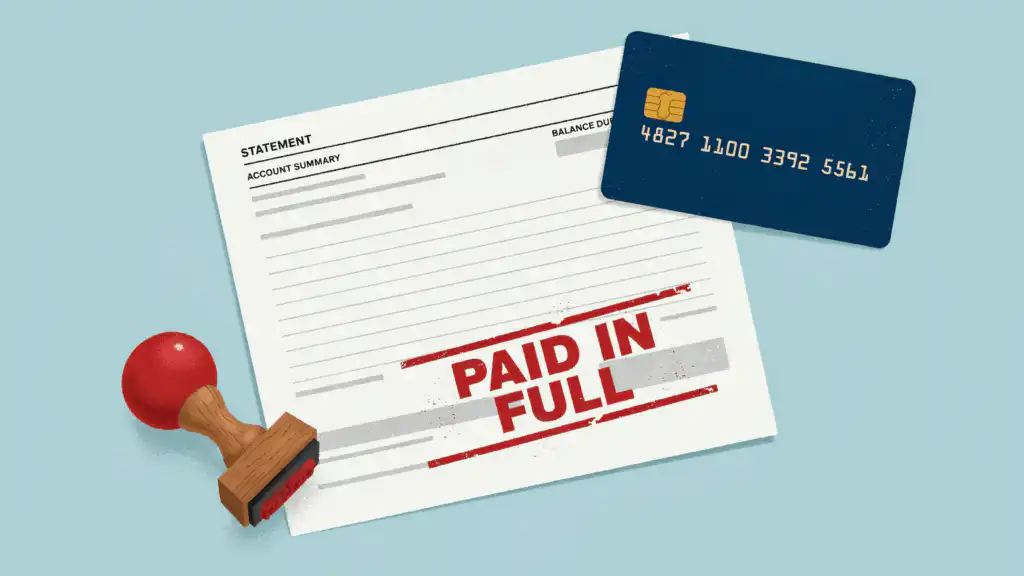
9 Credit Card Mistakes That Turn Your Card Into an Expensive Loan
Your credit card is interest-free only for purchases you pay off in full by each due date. Leave part of a bill unpaid, take cash from it, or accept store financing, and the card becomes a loan, often at over 20% a year. Before you do any of those, check when interest starts and what fees apply.
-
Best Southwest Credit Cards – Each Waives Your Bag, So Pick by Seats and Points
Every Southwest credit card waives your first checked bag, so pick by the seat you want. Take the $99 Plus if the bag is enough, or the $149 Premier for a seat near the front and twice the anniversary points. Pay $229 for the Priority only to pick your seat at booking.
-
World Mastercard and Visa Signature Cards Come With Network Perks – Claim Yours
If your card says World or World Elite Mastercard, or Visa Signature or Visa Infinite, that tier comes with perks from Visa or Mastercard itself, on top of your bank’s. They include ride and streaming credits and hotel extras. Look up your tier’s benefits on Visa’s or Mastercard’s site and set up the ones you’d use.
-
8 Credit Card Rules – Pay No Interest or Fees, Protect Your Score and Purchases
Interest and late fees are the bulk of what cardholders pay their card issuers, and on most cards you can stop both with one autopay setting. Set autopay on each card to its full statement balance, paid by the due date from an account that can always cover it.
-
How Many Credit Cards You Need – Usually Two or Three, Each With a Job
Two or three credit cards cover most people: an everyday card, one that pays more where you spend the most, and maybe a backup or travel card. Before you open another, make sure it would earn meaningfully more than your current cards on what you actually buy, after any annual fee, or fill a gap they leave.
-
8 Options When You Can’t Pay Your Debts – Save Settlement and Bankruptcy for Last
When you can’t keep up with your debts, work through the ways to repay them in full before you consider debt settlement or bankruptcy. Those two cut what you owe but can stay on your credit reports for seven years or longer, so use them only for debt you couldn’t repay within about five years.
-
8 Ways to Rebuild Your Credit After Bankruptcy – Start the Day After Discharge
After a bankruptcy, the sooner you start adding on-time payments, the sooner your credit score recovers. Once your discharge comes through, check that every discharged debt shows a zero balance on your credit reports. Then open one new account, pay it on time every month, and keep any card balance low.


WHY WE DO IT
Money Crashers’ mission
Money should work for you, not the other way around. We keep you on the right side of that deal with tips you can act on the day you read them.

We only write what’s useful.
Every piece starts with the same question: how useful is this to our readers? When the honest answer is “not very,” we don’t publish it.
We do the homework so you don’t have to.
We run the numbers, read the fine print, and weigh the alternatives. You get the conclusion, not the pile of research.
Trust is our No. 1 priority.
No clickbait headlines. Affiliate partners don’t buy our opinions. When a product isn’t worth it, we say so.