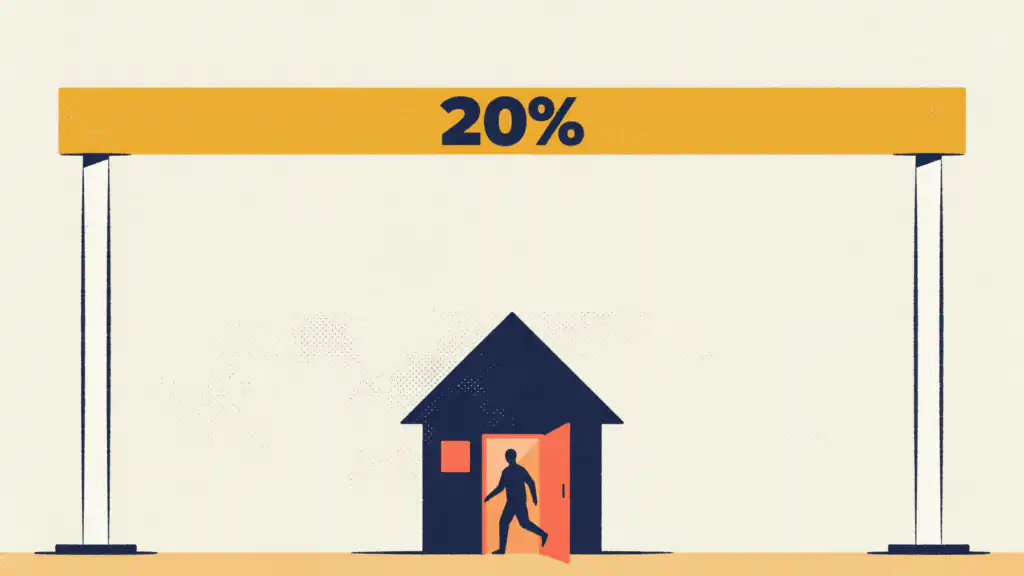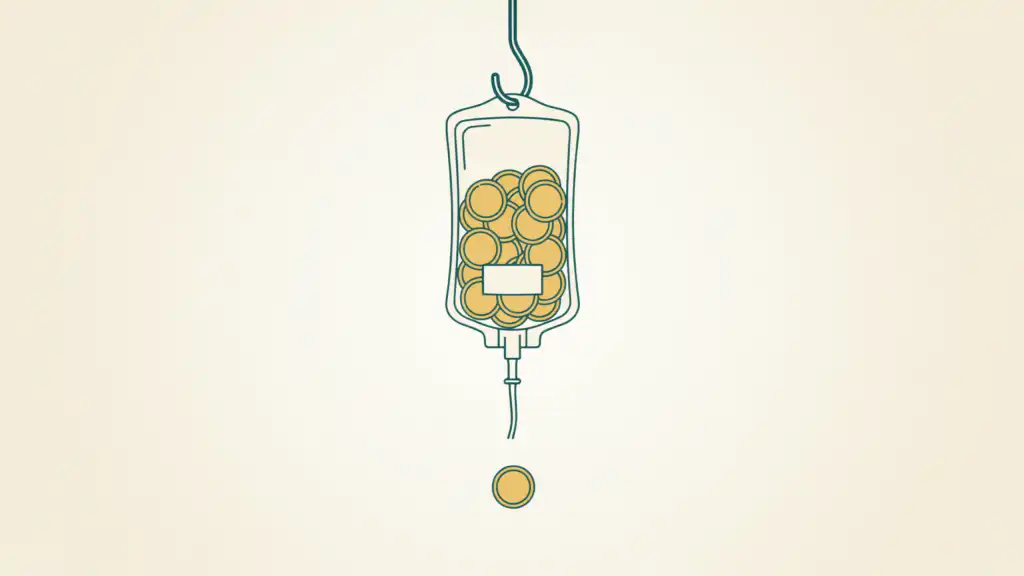

Coming up short is common. In the Federal Reserve’s survey for 2025, only 63% of adults said they would pay a surprise $400 expense entirely with cash or savings, or with a credit card they’d pay off at the next statement.
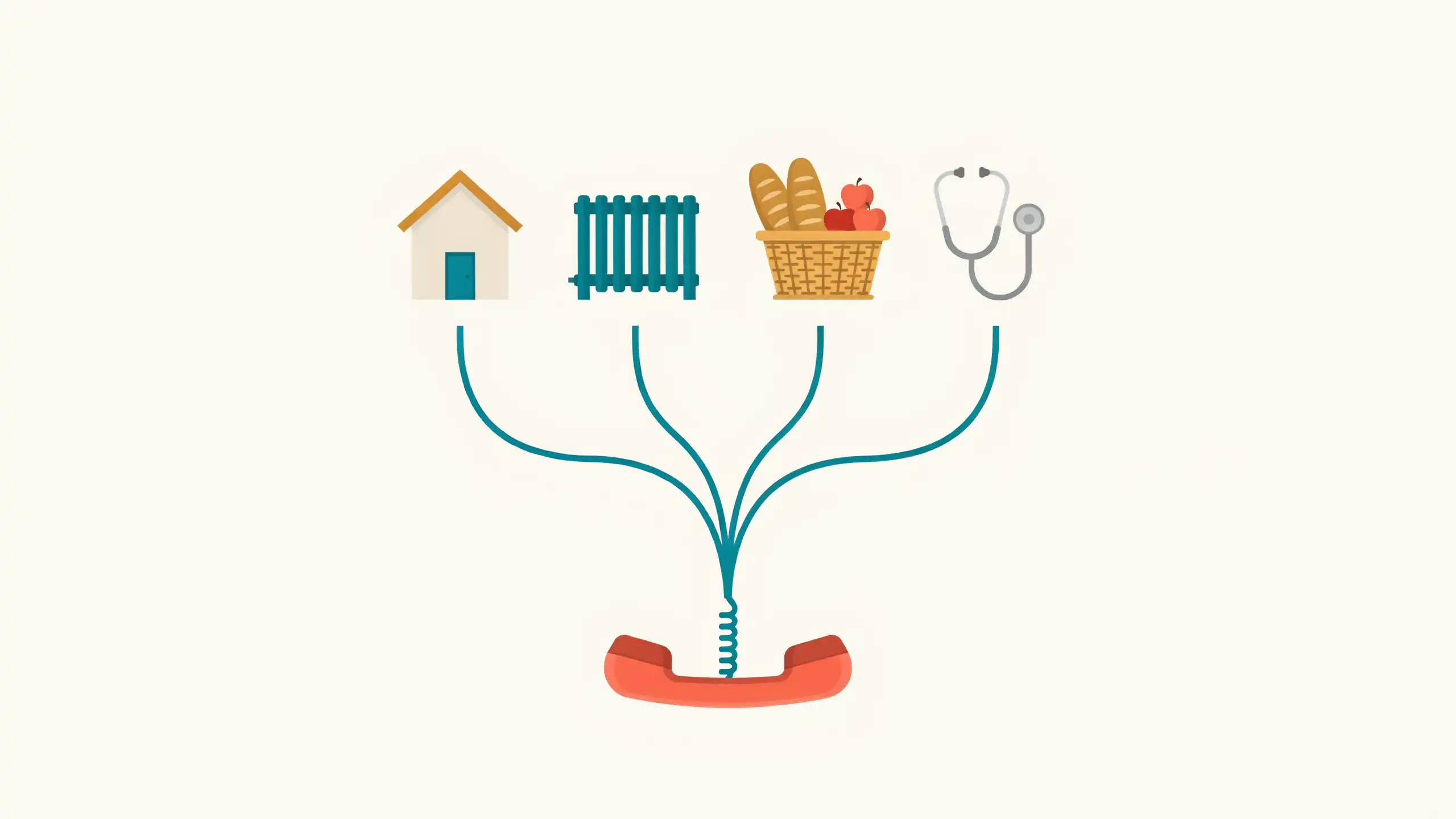
211 is the one number built for this. Local specialists answer it around the clock, every call is confidential, and they know the help in your area for housing, food, bills, and health care. Dial 211, or find your local 211’s website through 211.org.
More places that find local help
- Community action agencies, more than 1,000 of them, offer crisis and emergency help along with housing, food, utility, and transportation aid. Search for yours by ZIP code with the Community Action Partnership’s agency finder.
- USA.gov’s benefit finder lists the government benefits you may qualify for and how to apply, once you pick the categories that fit, such as food, health, or housing and utilities.
Lost income
- Unemployment insurance pays workers who lose a job through no fault of their own. Each state runs its own program, so file a claim right away with the state where you worked.
- TANF, or Temporary Assistance for Needy Families, funds the monthly cash payments states make to low-income families with children. Ask your state’s TANF office whether you qualify and how much it pays.
- The earned income tax credit lowers taxes for workers with low to moderate incomes and can raise the refund. You get it only by filing a federal return, even if you aren’t required to file.
Rent & mortgage help
- Emergency rent help varies by area now, since Treasury’s Emergency Rental Assistance program stopped paying renters after September 30, 2025. Ask 211 which local programs and charities have rent money, and apply before the rent is late.
- A HUD-approved housing counselor helps homeowners behind on payments weigh their options and deal with the lender, free of charge. Find one with HUD’s counselor search or at 800-569-4287, and call the lender’s hardship team before a payment is late.
- Public housing and Section 8 Housing Choice Vouchers usually set a low-income household’s share of the rent at 30% of income after deductions. Apply through your local public housing agency, and join several waiting lists, since waits run long.
Utility bills
- LIHEAP, federal energy aid that states run, helps households under the state’s income limits pay heating and cooling bills, and its crisis aid goes first to homes that have lost heat or cooling or are about to. Find your office with the LIHEAP office search.
- Utility payment plans let you pay a past-due balance in installments, and some states make one a condition of their winter shutoff protections. Call your utility before the due date, and ask about any fund it has to help customers pay.
- State shutoff rules limit cold-weather disconnections in 42 states, and 44 states protect vulnerable households, such as one with a seriously ill member. A delay doesn’t erase the bill, so check your state’s rules and keep paying what you can.
Food
- SNAP helps low-income households buy groceries, and most must have income before deductions at or below 130% of the poverty line. Apply through your state’s SNAP agency. With almost no cash or income, you may get benefits within seven days.
- WIC provides healthy foods, nutrition advice, and breastfeeding support to pregnant and new moms and children under 5 in low-income families. Getting SNAP, Medicaid, or TANF may already make you income-eligible. Apply through a WIC agency near you.
- School meals are free for children in households at or below 130% of the poverty line or getting SNAP, and reduced-price for households between 130% and 185%. Apply through the school or district any time during the school year.
- Food banks, more than 200 of them in Feeding America’s network, stock the local pantries and meal programs where you can get free food. Enter your ZIP code in the network’s food bank finder to see the ones near you.
Health care
- Medicaid covers eligible people with low incomes at little or no cost, and in states that expanded it, income below 138% of the poverty line may qualify you. Apply any time of year through your state’s Medicaid agency or HealthCare.gov.
- CHIP, the Children’s Health Insurance Program, gives free or low-cost coverage to children in families that earn too much for Medicaid, and every state offers it. Applying for Medicaid through your state also checks whether your children qualify.
- Community health centers treat medical, dental, mental health, and substance use needs, see patients who can’t pay, and set fees by income and family size. Find one near you with the federal government’s Find a Health Center tool.
Starting January 1, 2027, adults ages 19 to 64 who get Medicaid on income alone may need to show 80 hours a month of work, school, or community service to qualify or stay covered.
Child care
- Child care assistance helps low-income families pay for care so they can work or go to school, and eligibility rules differ by state. Find your state’s program through Childcare.gov.
- Head Start and Early Head Start, both free, serve pregnant women and children up to 5 from families that meet income rules, plus children in foster care or experiencing homelessness. Find one with the Head Start locator and apply there.
Apply right away
Apply the day you find a program that fits, before every document is in hand. SNAP, for one, pays benefits back to the date you apply, and you finish its interview and send proof during the 30 days the state has to decide.

Subscribe and we'll send you 101 Essential Money Tips to get you started.
The 101 money moves that matter most, from the foundations to protecting what you’ve built.
Advertiser Disclosure: Many or all of the offers that appear on this site are from companies that compensate us, and some companies pay for sponsored content. That compensation may influence which products we cover and where and how they appear on a page, including the order in which they appear. We do not include every company or offer available in the marketplace.